Geometry is locked. Material is not.

Five Krea 2 image-to-image recipes, side by side with their sources at the same size, so "every contour stayed in position" is something you can check rather than something I assert. Each one was then re-run against an image it was not derived from — that is the tier badge.

5 recipes · 2 hold outside their own pair · 3 tested on a third source · 2 refusals · 3 documented limits · every strength and seed recorded · github.com/sjh9714/same-frame

The recipes

Every recipe was derived from one image pair. A recipe that only works on the pair it came from is a screenshot, not a recipe, so each was re-run against a source it was not derived from. Two held, two came back partial, one failed. The tiers below are that result, not an estimate. Two of them were then run a second time against another unrelated source, because a use_when inferred from a single failure is a guess wearing the clothes of a measurement. One held and got sharper; the other turned out to be stated too generously and was narrowed.
sourcesource
resultresult
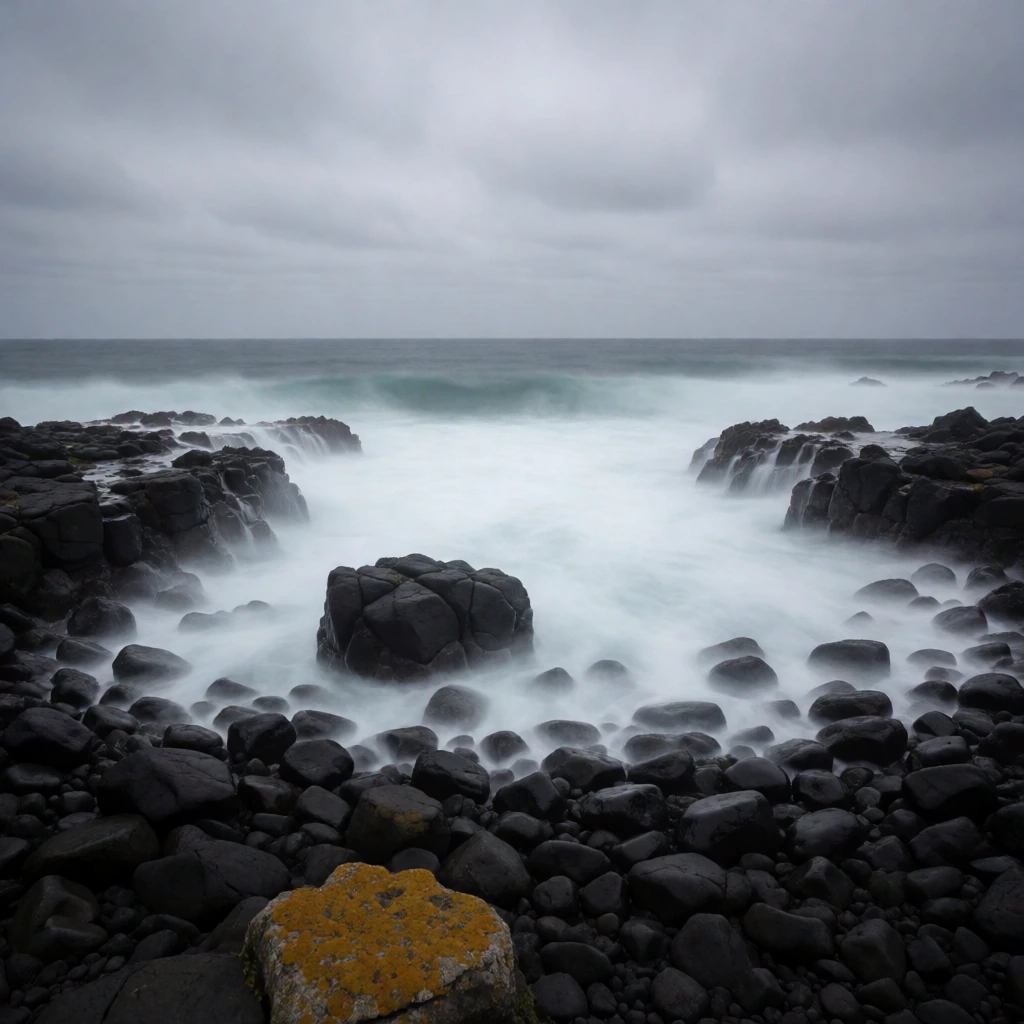
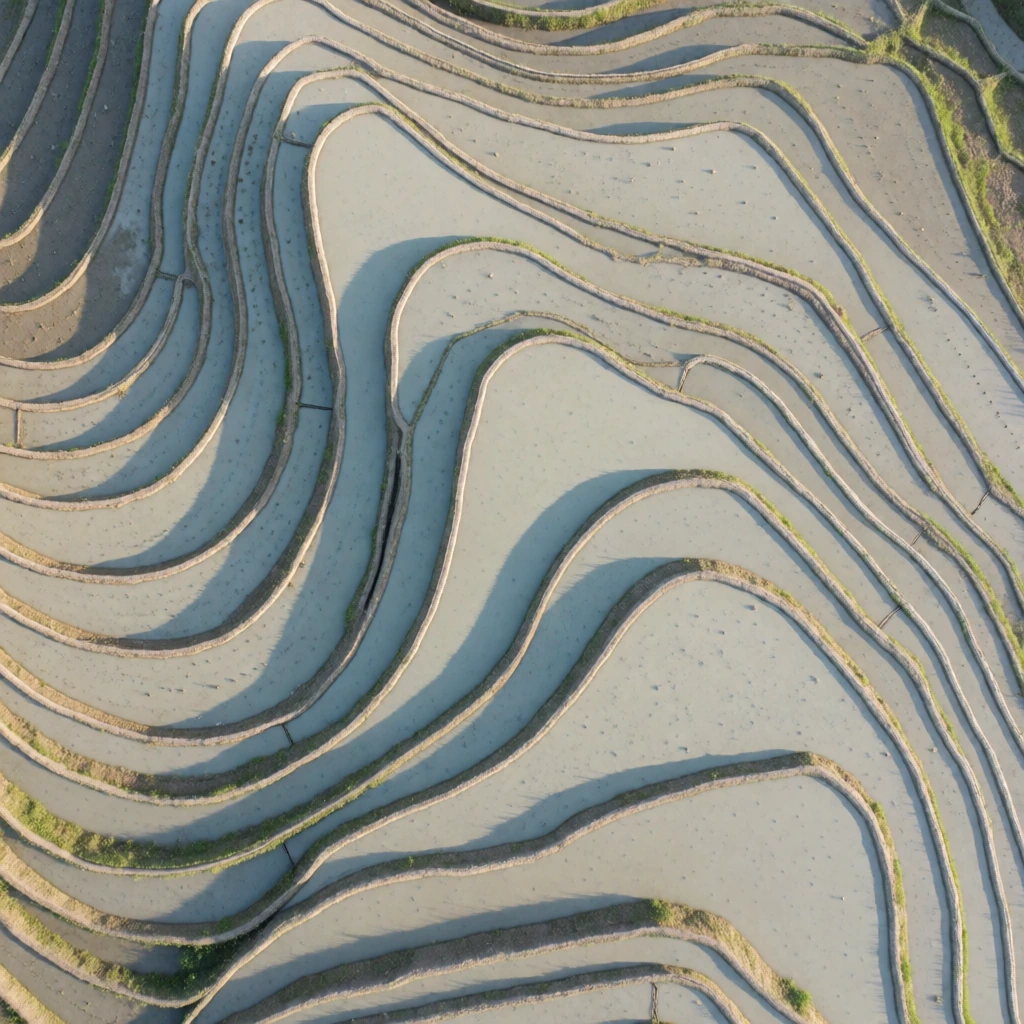
Relight: overcast to hard low sunconditional
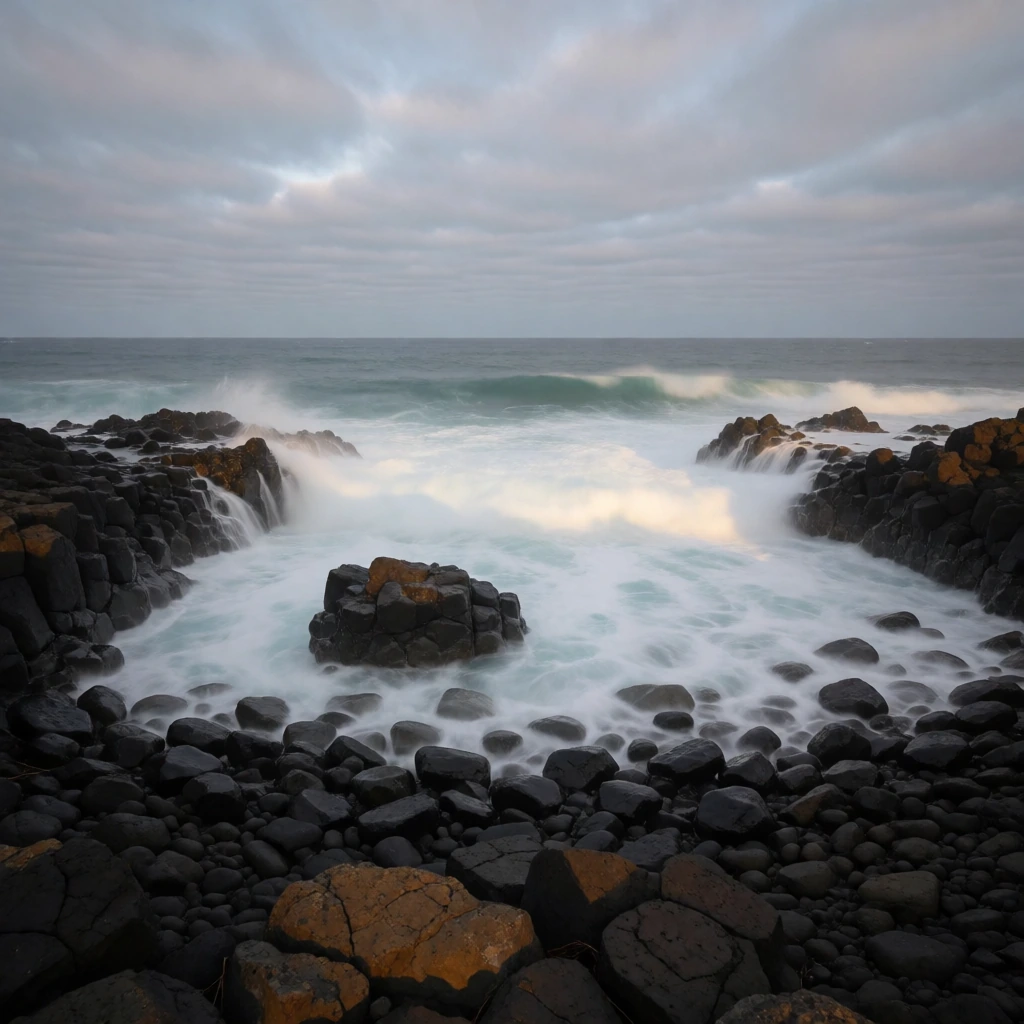
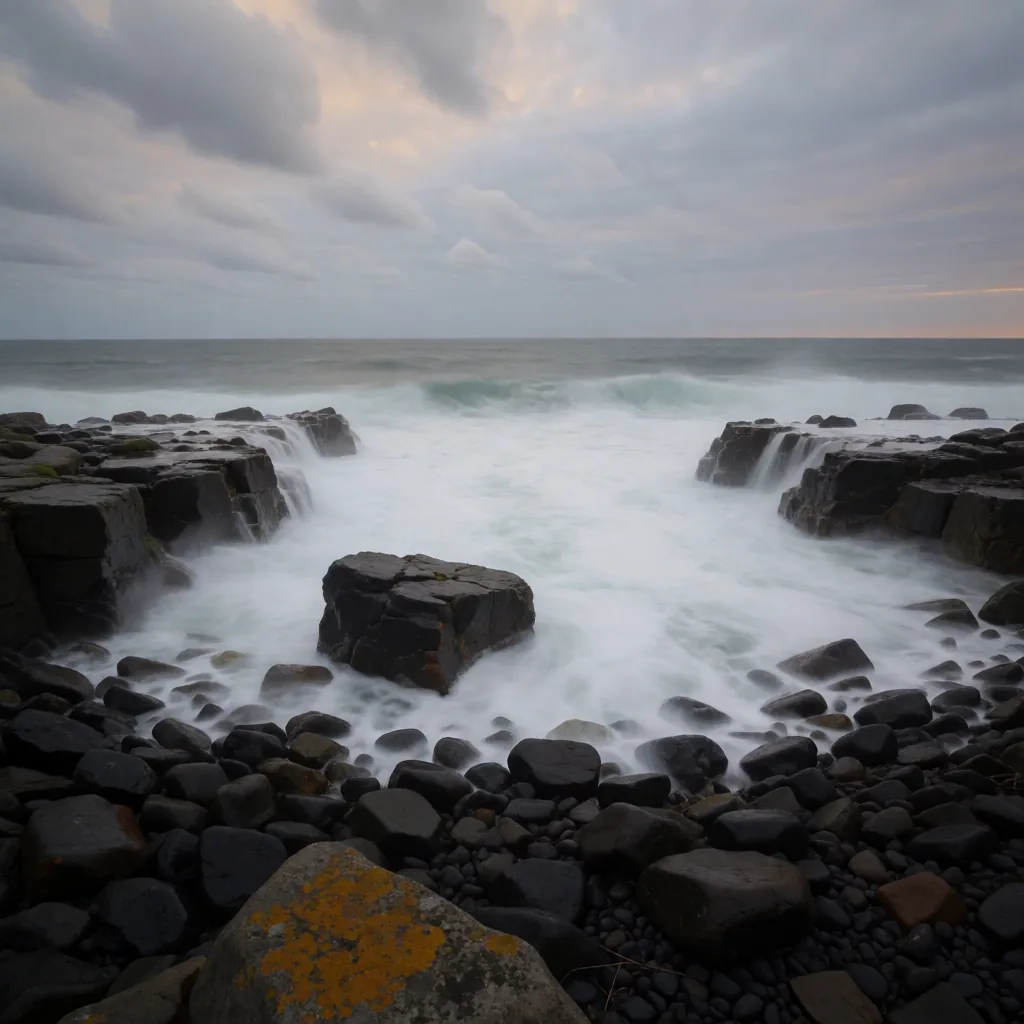
Relight this coastline: replace the flat overcast with hard low-angle late afternoon sun from frame right, casting long shadows across the basalt. Keep the rock placement, horizon line and framing identical.
strength 0.55 · seed 364022812
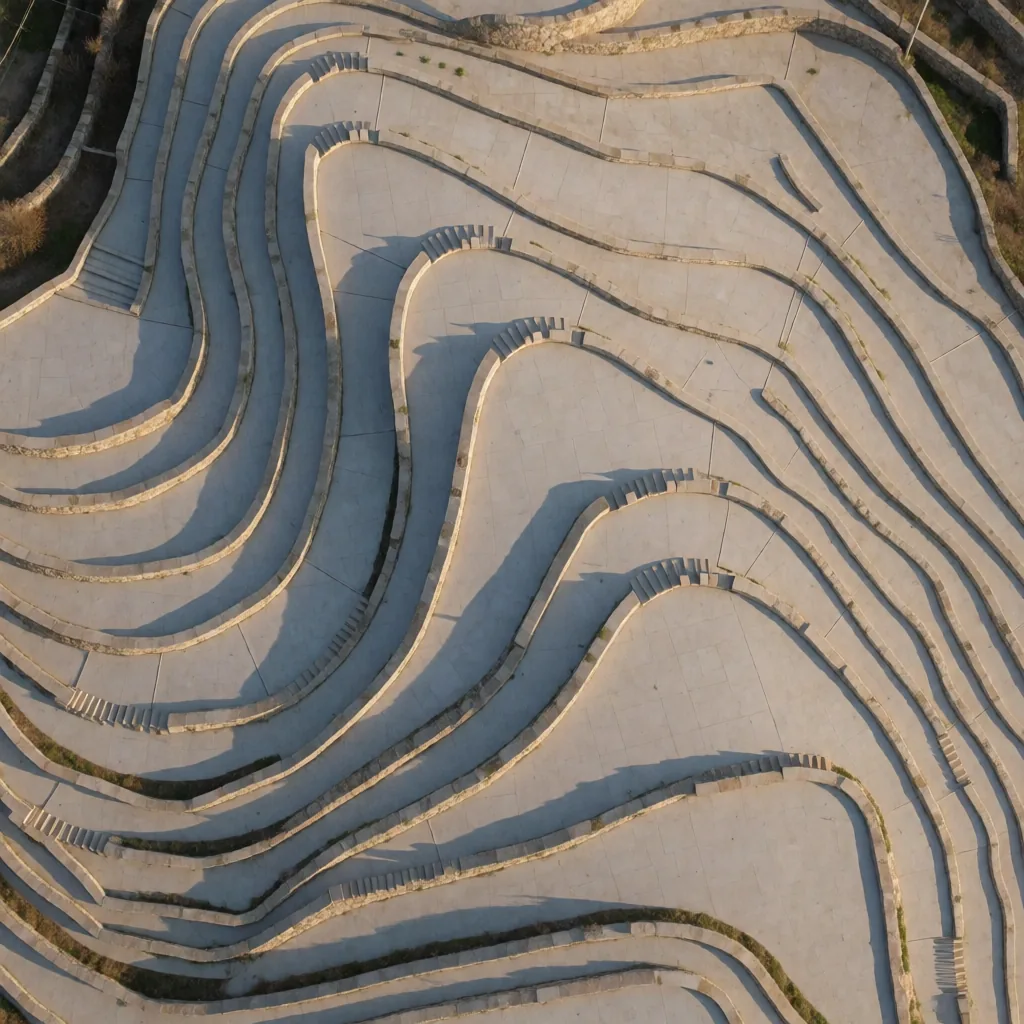
Outside its own pair, on an aerial photograph of wet rice terraces: Every terrace contour stayed in position and the hard low sun and long shadows arrived exactly as asked.
The material changed. Wet paddies and vegetation came back as dry stone amphitheatre steps — the water is gone.
sourcesource
resultresult
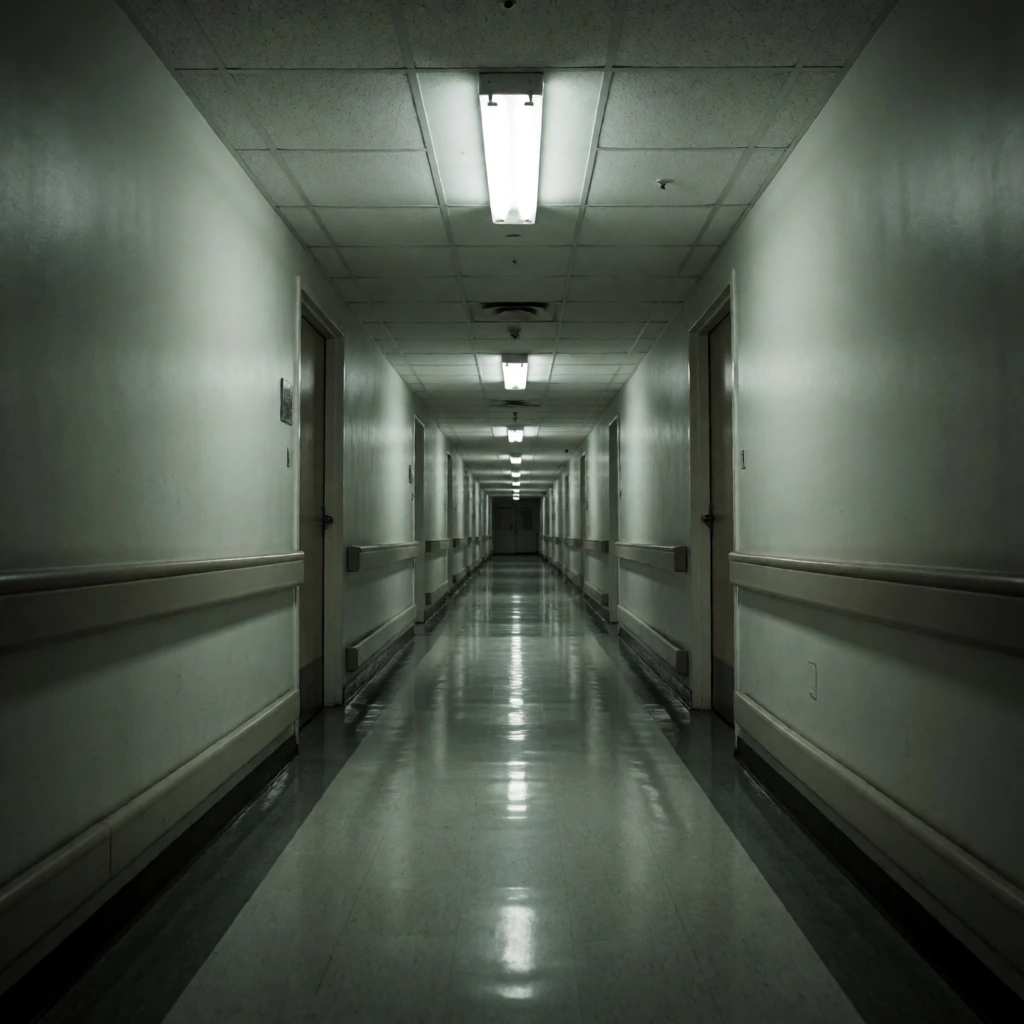
Relight: one light source, everything else into shadownarrow
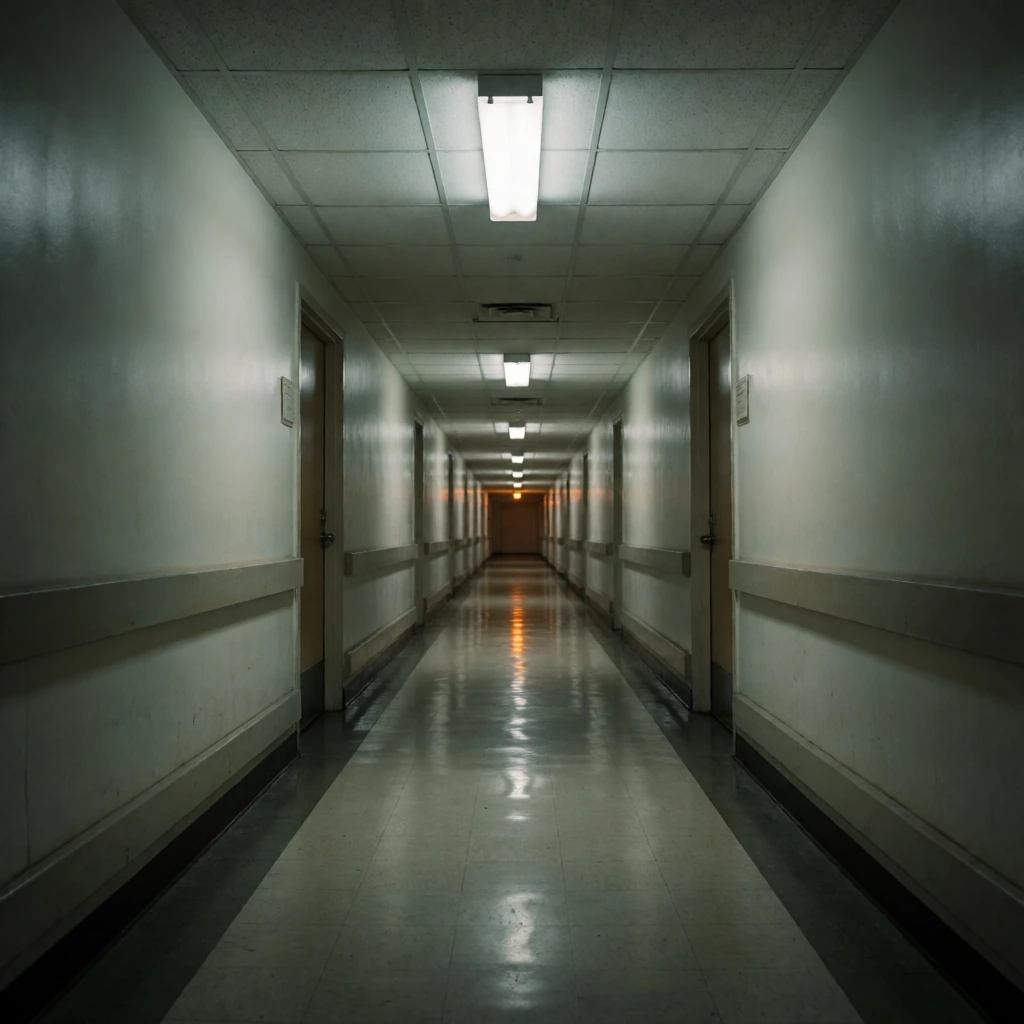
Keep this corridor's geometry and perspective exactly. Change only the time and mood: warm amber emergency lighting instead of cold fluorescents, one light source at the far end, everything nearer falling into shadow.
strength 0.5 · seed 1459264371
Outside its own pair, on an outdoor coastline: Composition exact; a warm glow did appear at the far horizon.
The instruction barely landed. 'Everything nearer falling into shadow' did not happen — the foreground stayed evenly lit and the scene is still overcast.
sourcesource
resultresult
Medium: photograph to gouache paintingholds
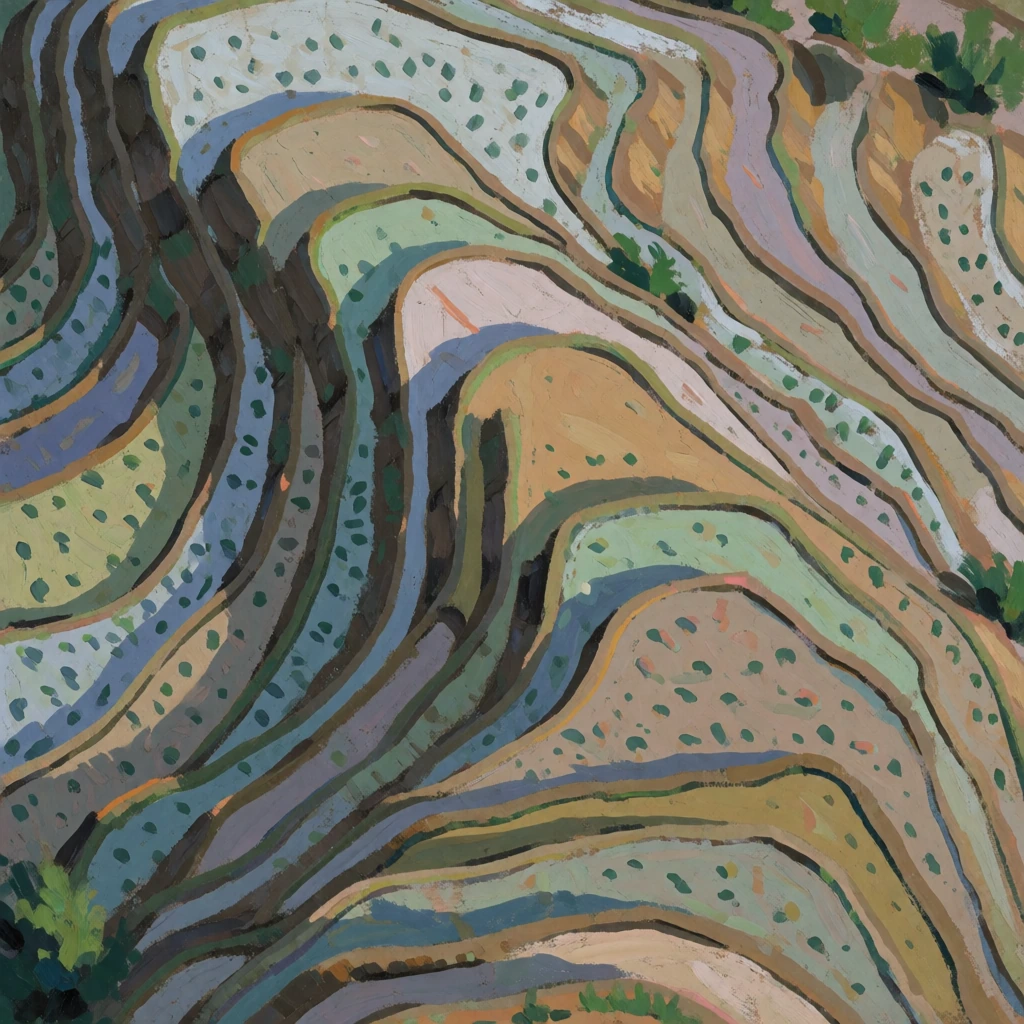
Re-render these terraced fields as a gouache painting with visible brush texture and chalky opacity. Every terrace contour stays in exactly the same position; only the medium changes.
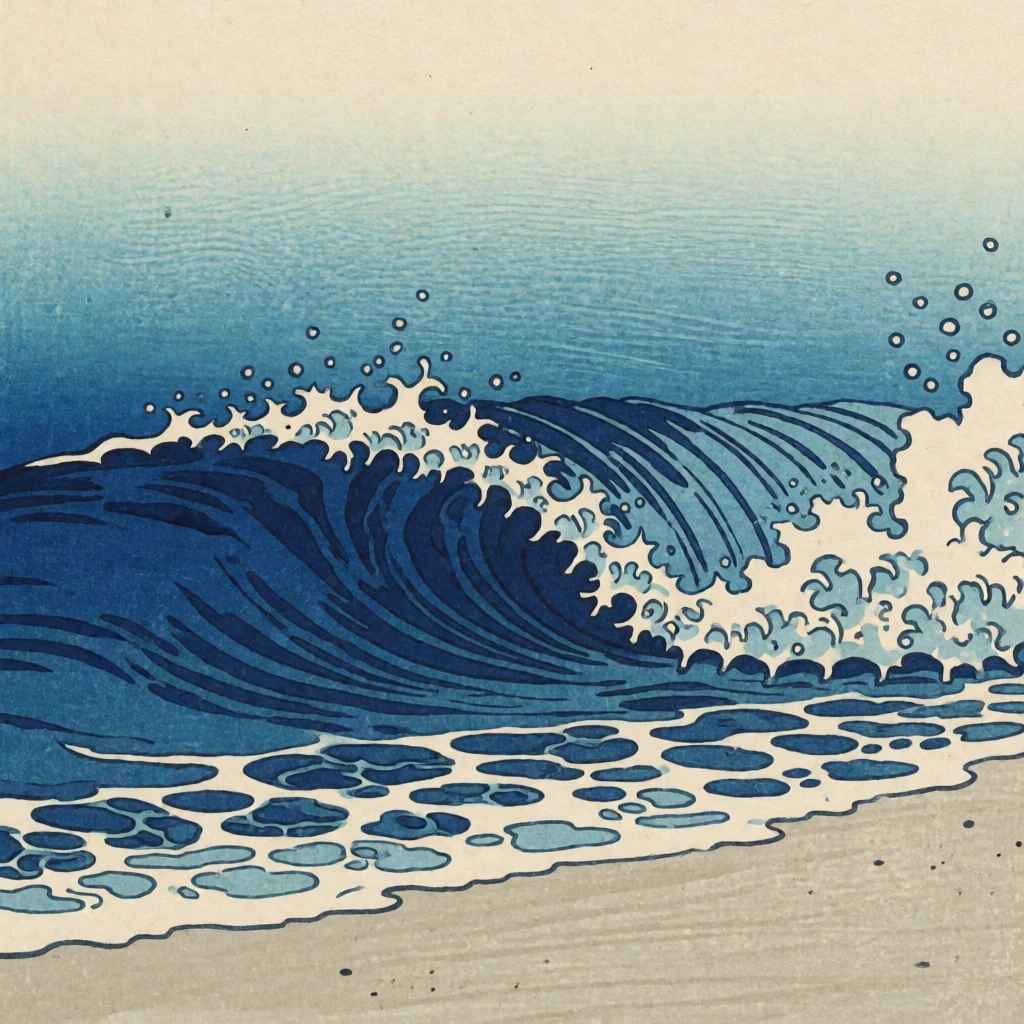
strength 0.6 · seed 583476278
Outside its own pair, on an exploded camera diagram, line art: Real gouache — chalky opaque paint, visible brush marks, flat edges — with every component in position and spacing.
sourcesource
resultresult
Palette: recolour without moving a lineholds
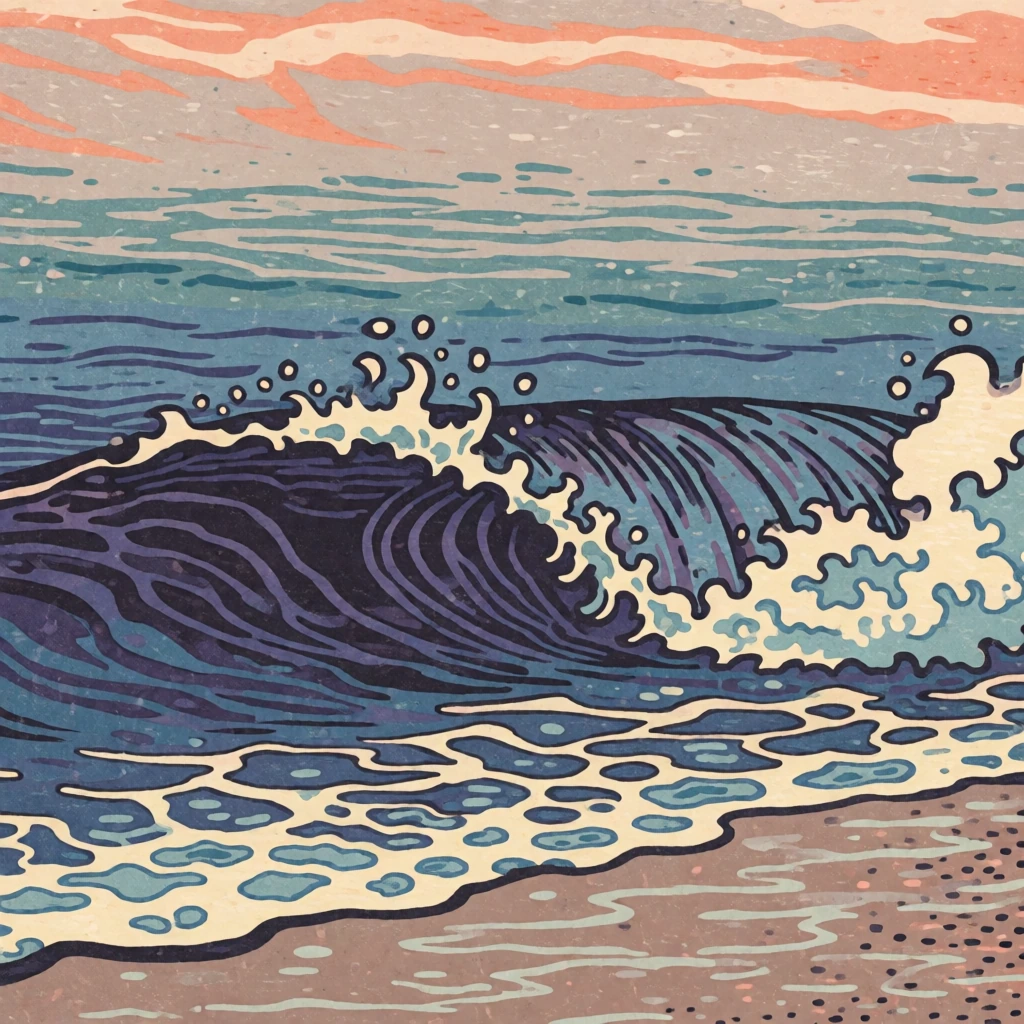
Recolour this woodblock wave to a dusk palette — deep violet water, salmon sky, warm cream foam. Keep every keyblock outline and flat colour field boundary exactly where it is.
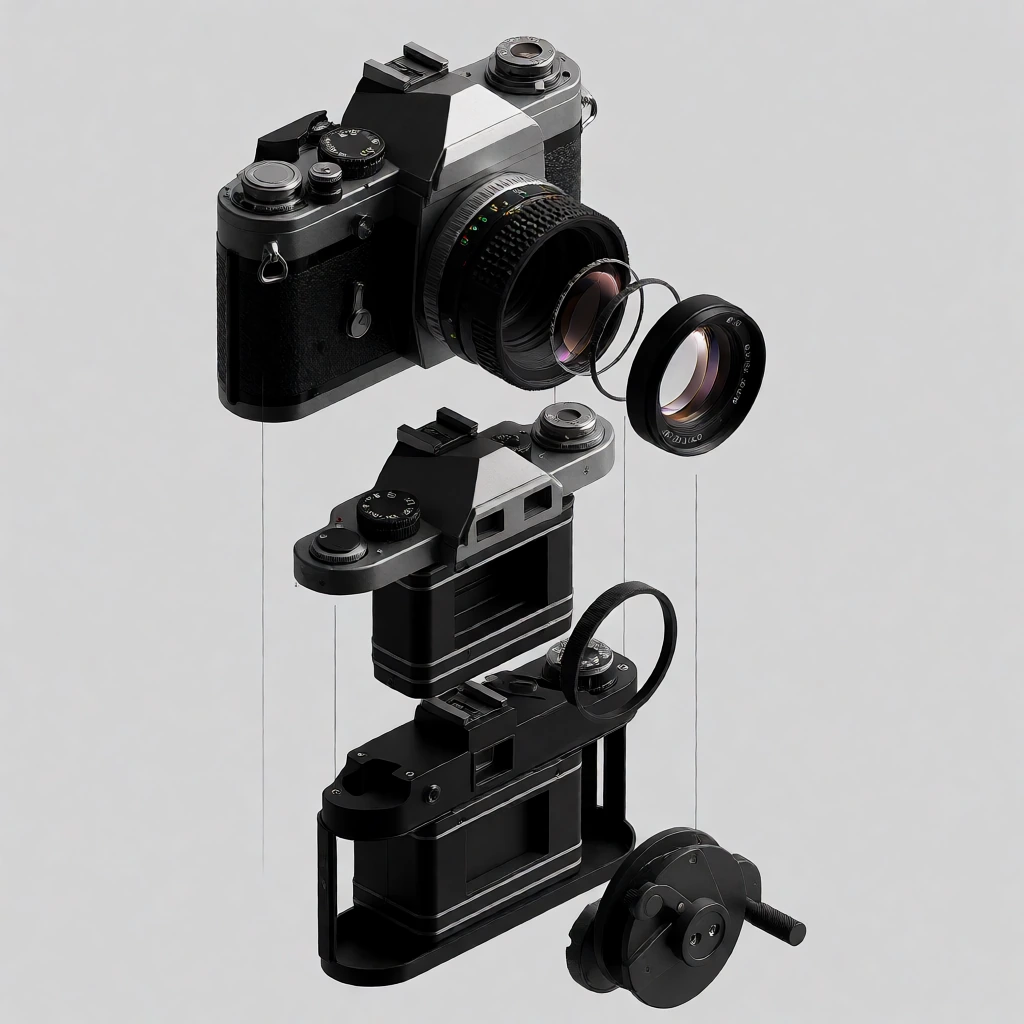
strength 0.55 · seed 2083277726
Outside its own pair, on an overcast coastline photograph: All three named colours landed — rust orange rock, deep teal water, pale bone sky — with the geometry exact.
Mild. On a photograph the phrase 'flat colour field boundary' pulls the result slightly toward illustration. Drop that clause when the source is photographic.
sourcesource
resultresult
Medium: render to cyanotype blueprintpartial
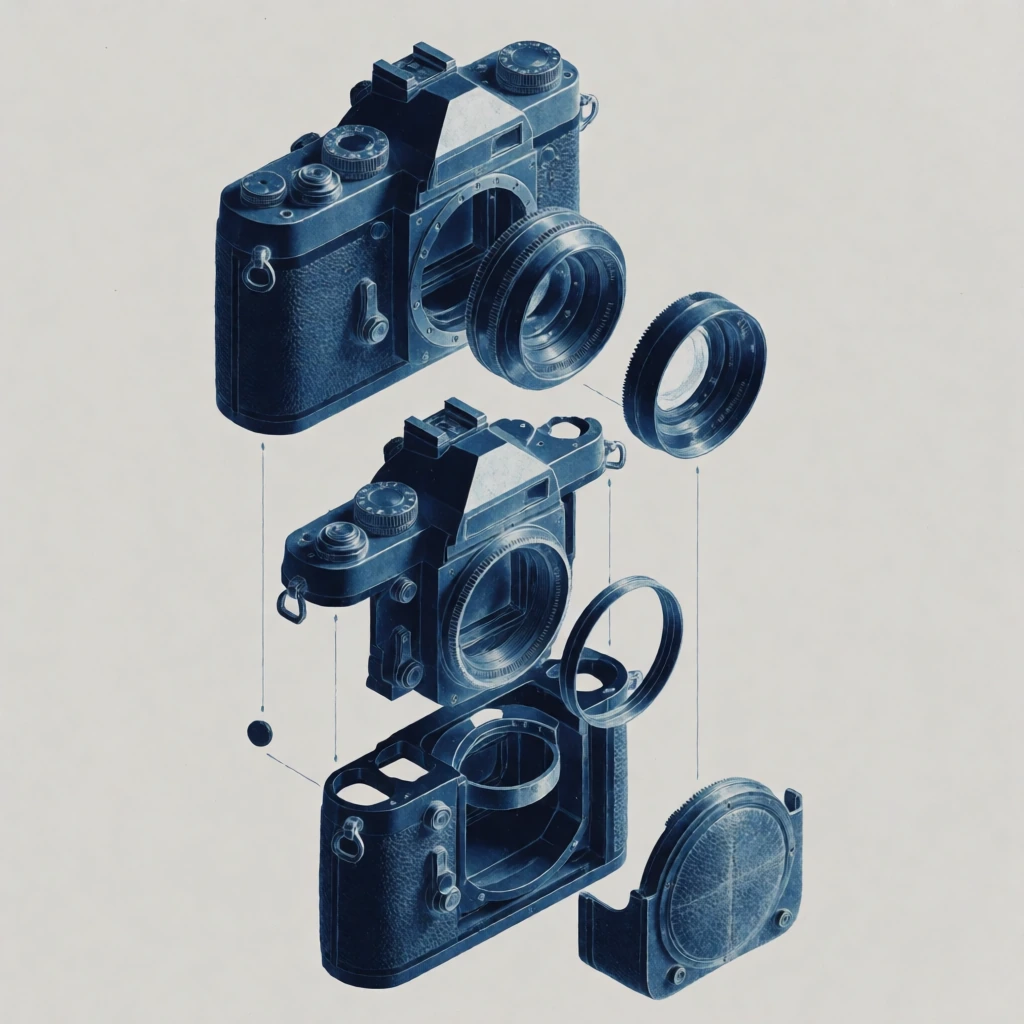
Re-render this exploded camera diagram as a cyanotype blueprint: white line work on Prussian blue, every component in exactly the same position and spacing.
strength 0.6 · seed 1652457598
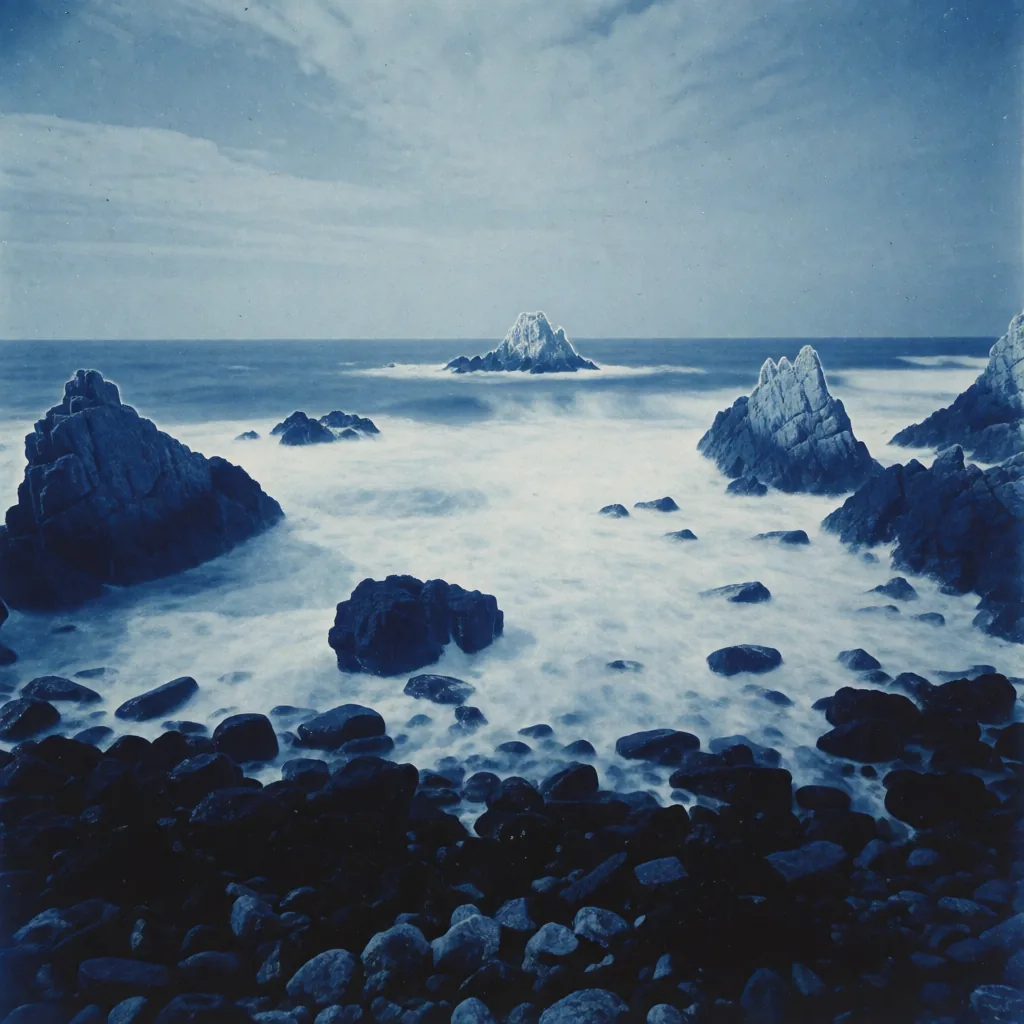
Outside its own pair, on a coastline photograph: Every rock held its exact position and the palette went Prussian blue.
On the coastline it produced a blue-toned photograph rather than a cyanotype print. Two later runs on other sources produced proper prints, so this is a source-dependent miss, not a rule.

What the tier means, in images

The composition is right in all three of these. That is the trap — a result can be geometrically perfect and still not be what was asked for.

recipe was built on thisrecipe was built on this
run on something elserun on something else
Relight: overcast to hard low sun — run on an aerial photograph of wet rice terraces
strength 0.55 · seed 232270180
The material changed. Wet paddies and vegetation came back as dry stone amphitheatre steps — the water is gone.
Hard light forces the model to re-derive how every surface responds, and a surface that read as wet under flat light gets re-rendered as dry under hard light. It was invisible on the coastline this recipe came from because basalt is dry either way.
recipe was built on thisrecipe was built on this
run on something elserun on something else
Relight: one light source, everything else into shadow — run on an outdoor coastline
strength 0.5 · seed 1114110846
The instruction barely landed. 'Everything nearer falling into shadow' did not happen — the foreground stayed evenly lit and the scene is still overcast.
One light source at the far end is a physically plausible configuration inside a corridor and not outdoors, where the sky is the light source. The recipe was carrying an assumption about enclosure that the prompt never stated.
recipe was built on thisrecipe was built on this
run on something elserun on something else
Medium: render to cyanotype blueprint — run on a coastline photograph
strength 0.6 · seed 2065751023
On the coastline it produced a blue-toned photograph rather than a cyanotype print. Two later runs on other sources produced proper prints, so this is a source-dependent miss, not a rule.
Outlines are content a photograph does not contain, and the model will not invent them any more than it will invent an object you asked it to add.

The two it refuses

Both were run. Both failed. The skill blocks these before the request is spent and shows you the image below.
sourcesource
what came backwhat came back
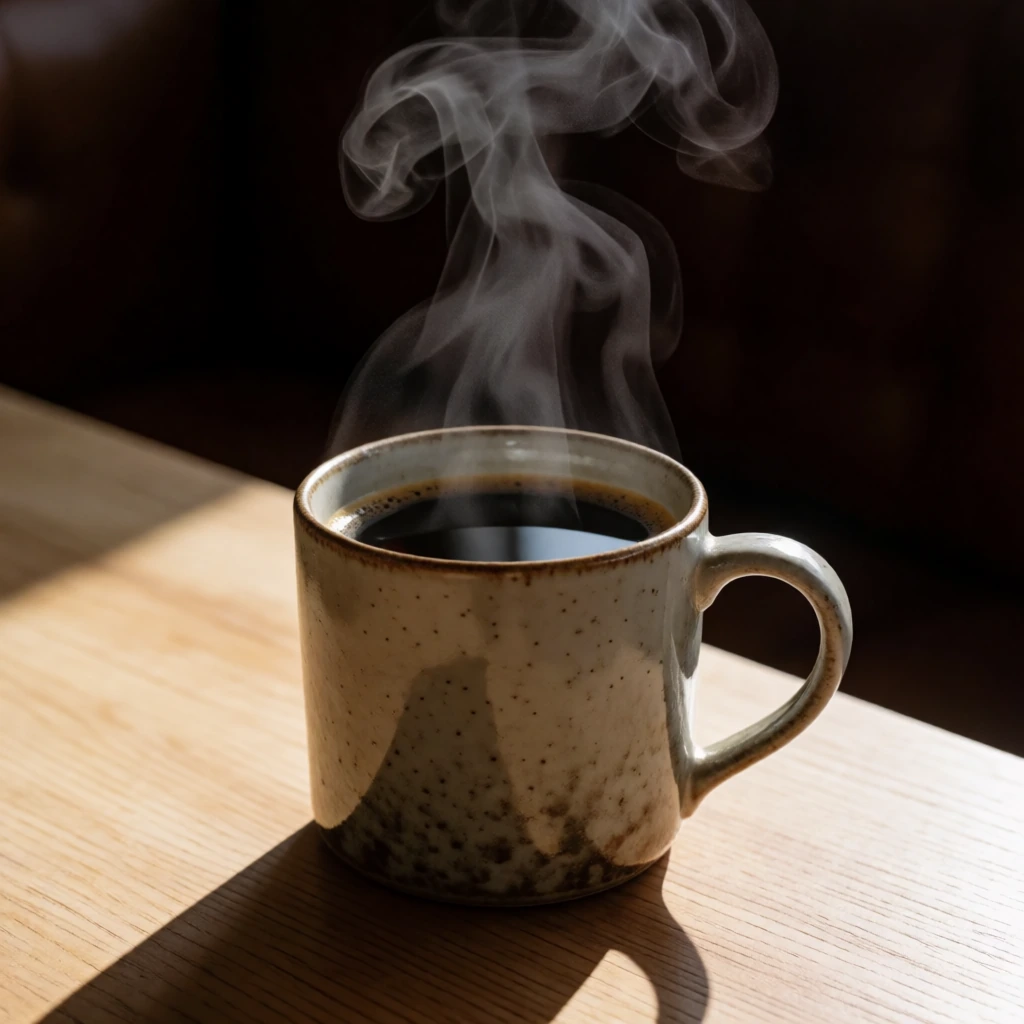
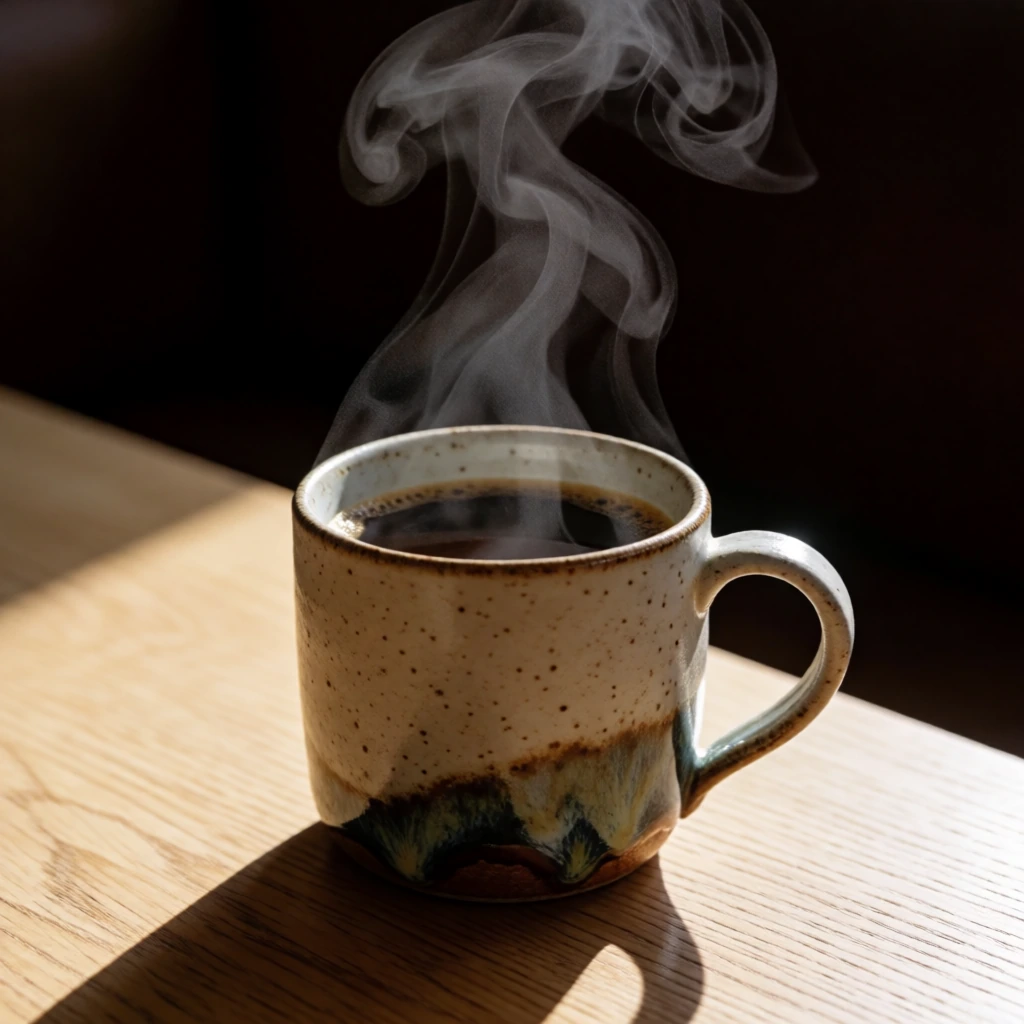
Krea 2 does not add or remove objects. Refuse and say why.
asked for: Remove the steam entirely and let the coffee surface go still and mirror-flat.
strength 0.5 · seed 1499506316
got: The steam came back.
instead: Use an inpainting model with a mask. This is a segmentation problem, not a strength problem.
sourcesource
what came backwhat came back
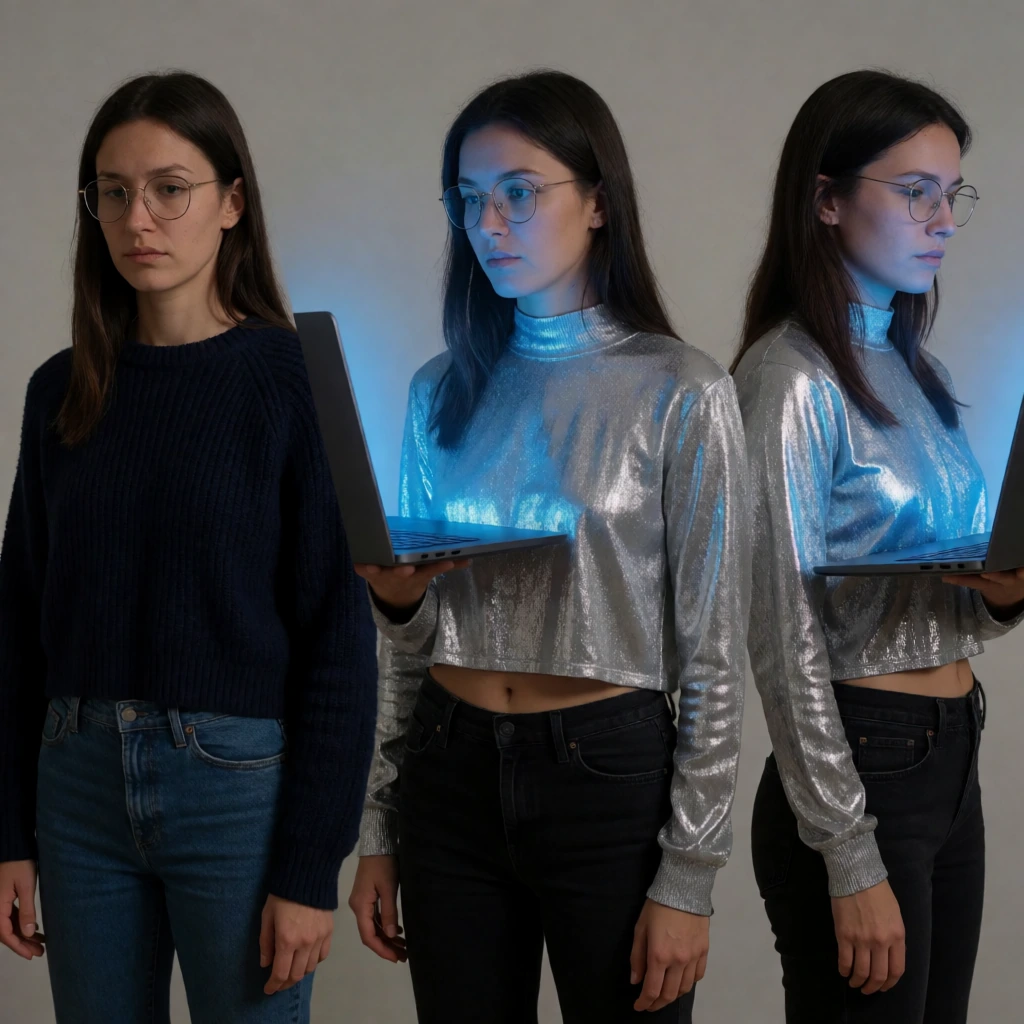
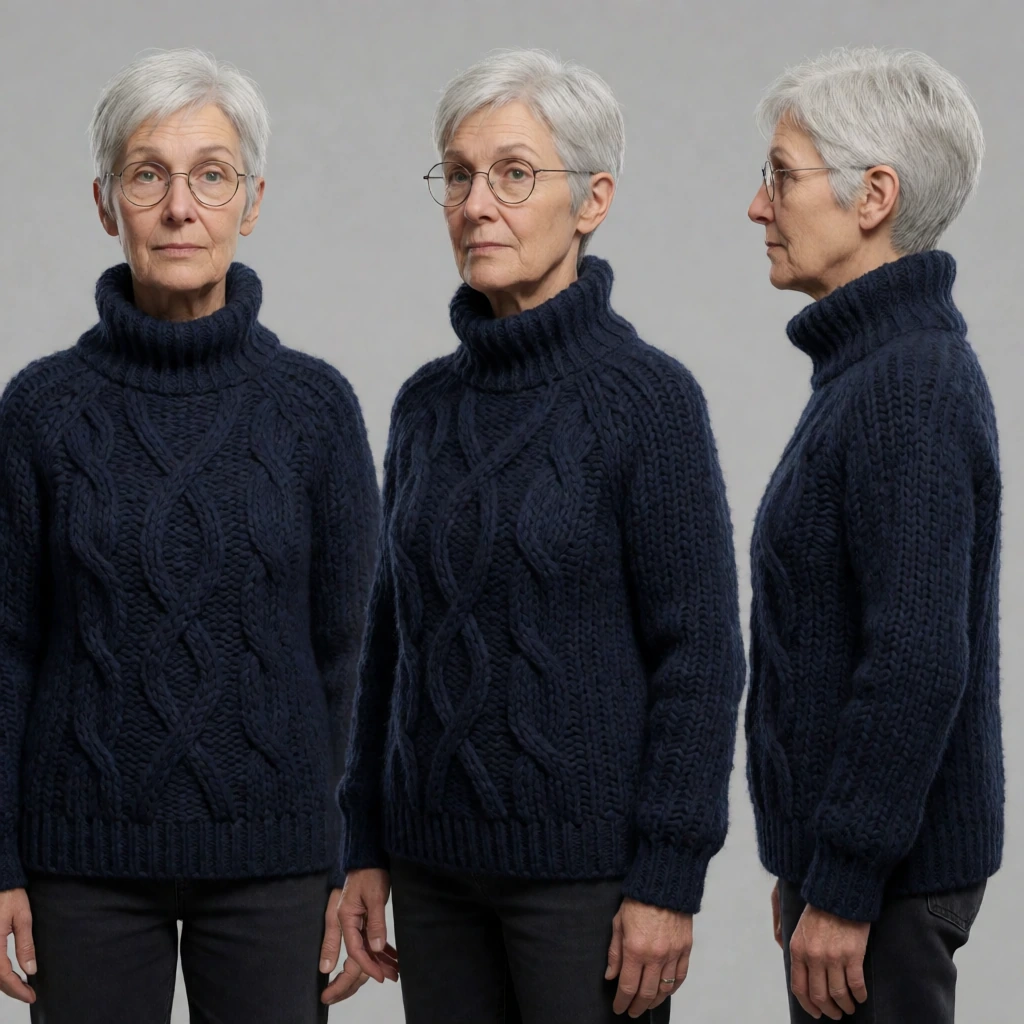
The same person cannot be carried into a new photograph. Refuse and say why.
asked for: The same woman, now lit only by a laptop screen. Same silver crop, same scar, same wire frames. Identity must be unmistakably the same person.
strength 0.72 · seed 1317515569
got: A new scene with a different person. Only the sweater and the palette carried over.
0.45 keeps the face but drags the source composition with it — a three-view studio sheet became the same three views at a harbour. 0.72 gives a genuinely new scene and a different person. There is no value between them that gives you one without the other.
instead: Train a LoRA. Prompting cannot do this.

Tested twice

A "use when" drawn from a single failure is a guess wearing the clothes of a measurement. These two were run again on another unrelated source. One held and got sharper; the other turned out to be stated too generously.

recipe was built on thisrecipe was built on this
second unrelated sourcesecond unrelated source
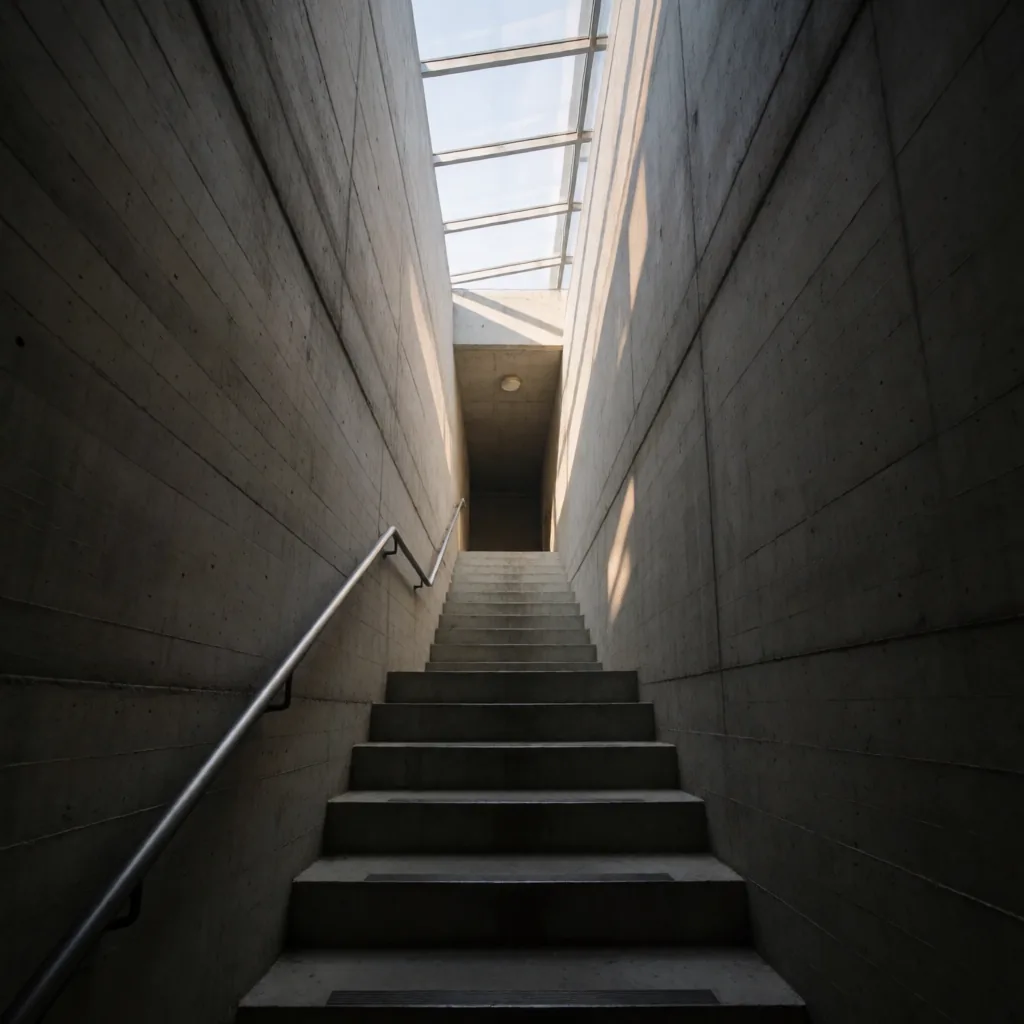
Relight: overcast to hard low sun — a board-formed concrete stairwellconditional
strength 0.55 · seed 561284942
Held completely. Same stairwell, same skylight, same handrail, same treads, and a hard low sun arriving with a clean diagonal shadow edge down the right wall. The concrete did not move.
The use_when was a hypothesis drawn from one failure. It is now a tested claim: on a hard dry material this recipe holds, and the wet-terrace drift was about the material, not about the recipe.
recipe was built on thisrecipe was built on this
second unrelated sourcesecond unrelated source
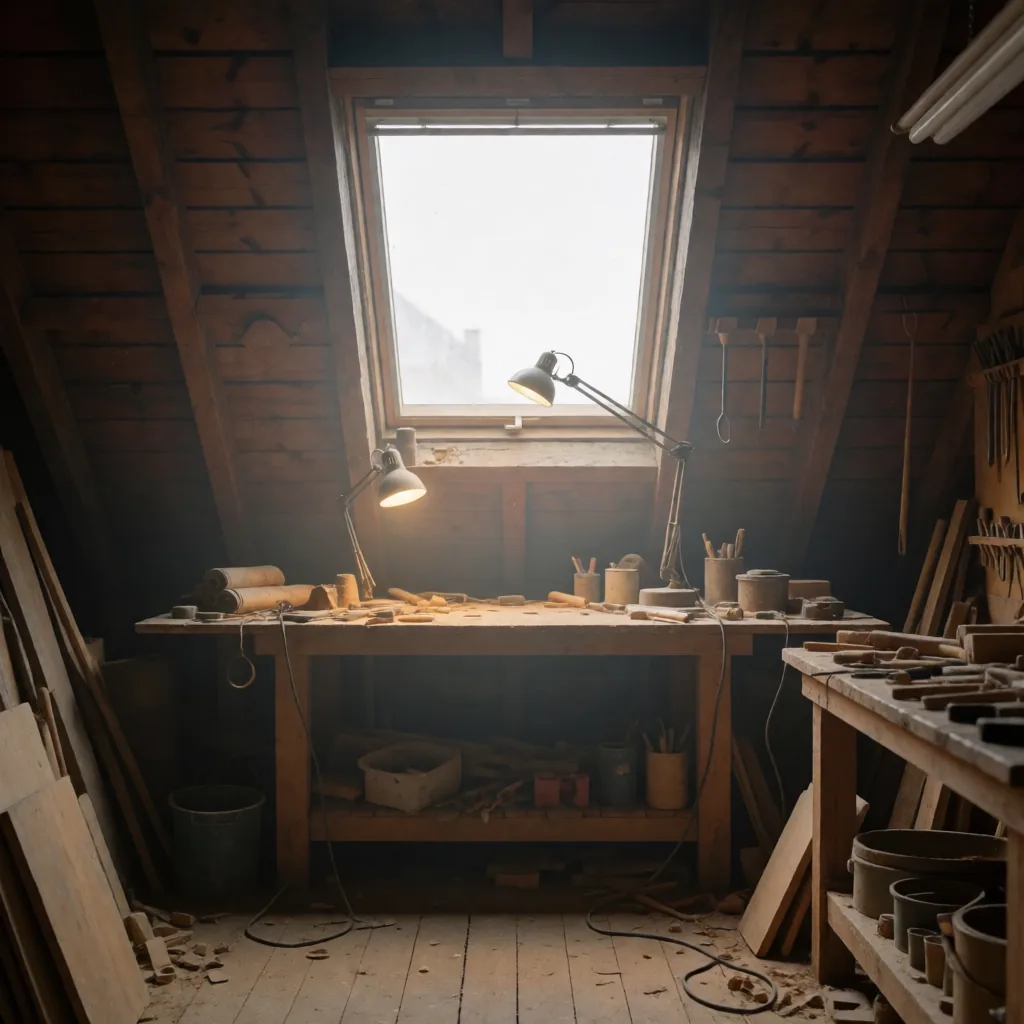
Relight: one light source, everything else into shadow — an attic workshop with a skylightnarrow
strength 0.5 · seed 1269377144
Half landed. Warm work lamps came on and the corners fell into shadow, and the skylight stayed exactly as bright as before — the daylight it was told to replace was never removed. It also produced two lamps where the prompt said one.
'Interiors only' was too generous. The corridor this came from has no competing daylight; an attic does. Switching an existing source off is removing something from the scene, and this model does not remove things — the same rule as the object-removal refusal, one level down. The extra lamp is the numeric-constraint limit showing up a third time.
recipe was built on thisrecipe was built on this
second unrelated sourcesecond unrelated source
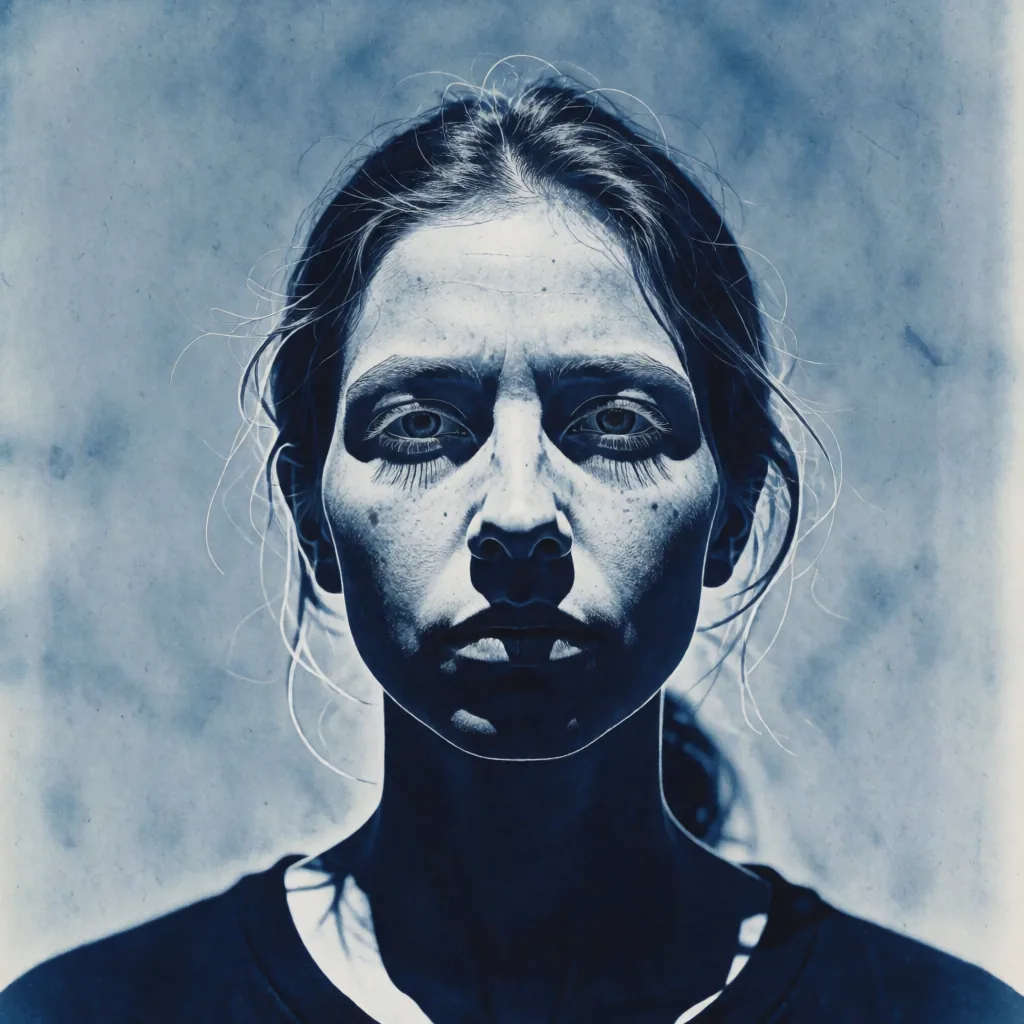
Medium: render to cyanotype blueprint — a line-art mandala and, separately, a flat high-contrast portraitpartial
strength 0.6 · seed 1507257657
The mandala came back a genuine blueprint-form cyanotype with every petal in place. The portrait (seed 2026012845) came back a genuine photographic cyanotype print — paper fibre, uneven chemical staining, wash at the edges — with the face exactly preserved.
This falsifies the 'needs a line-art source' rule that was shipped here off a single failure. A photograph can come back as a real cyanotype. What has NOT been established is why the coastline did not: it is the lower-contrast image on the numbers (source std 74.7 against the portrait's 60.4, so contrast is not it), and the visible difference is that the coastline is a deep atmospheric scene while both successes are flat subjects. That is one image per side and it is not enough to state as a rule.

Reproducing any of this

Two runs with the same seed, strength, prompt and input bytes returned images that differed on 0 of 1,048,576 pixels. If a re-run comes back different, the input changed. The usual culprit is a re-encode: feeding a lossy WebP copy of a PNG that an edit was originally made from moved the result by 17.0/255 mean per-pixel — the composition, palette and medium all returned, the brush texture did not. Keep the original file if you intend to re-run. Recording the seed is not enough for image-to-image; the seed and the exact input bytes together are what reproduce a generation.